7 Neuroscience-Backed Ways the Skin-Mind Connection Transforms Your Daily Glow in 2026

Written by Gavon Barkdull Clinically Reviewed by Matthew Barkdull, MS, MBA, LMFT, MedFT
Published: February 2026 | Last Reviewed: February 2026
Affiliate & Brand Partner Disclosure Some of the links on this page are affiliate links. As an Amare Independent Brand Partner and affiliate, I may earn a small commission if you purchase through these links, at no additional cost to you. I only recommend products I personally use and believe can add value. Any opinions expressed are my own.
This article was researched and drafted with AI writing tools, then clinically reviewed and fact-checked by our editorial team.
At a Glance
Your skin and brain share a constant two-way conversation — and the emerging science of neurocosmetics is designed to support both your complexion and your emotional well-being.
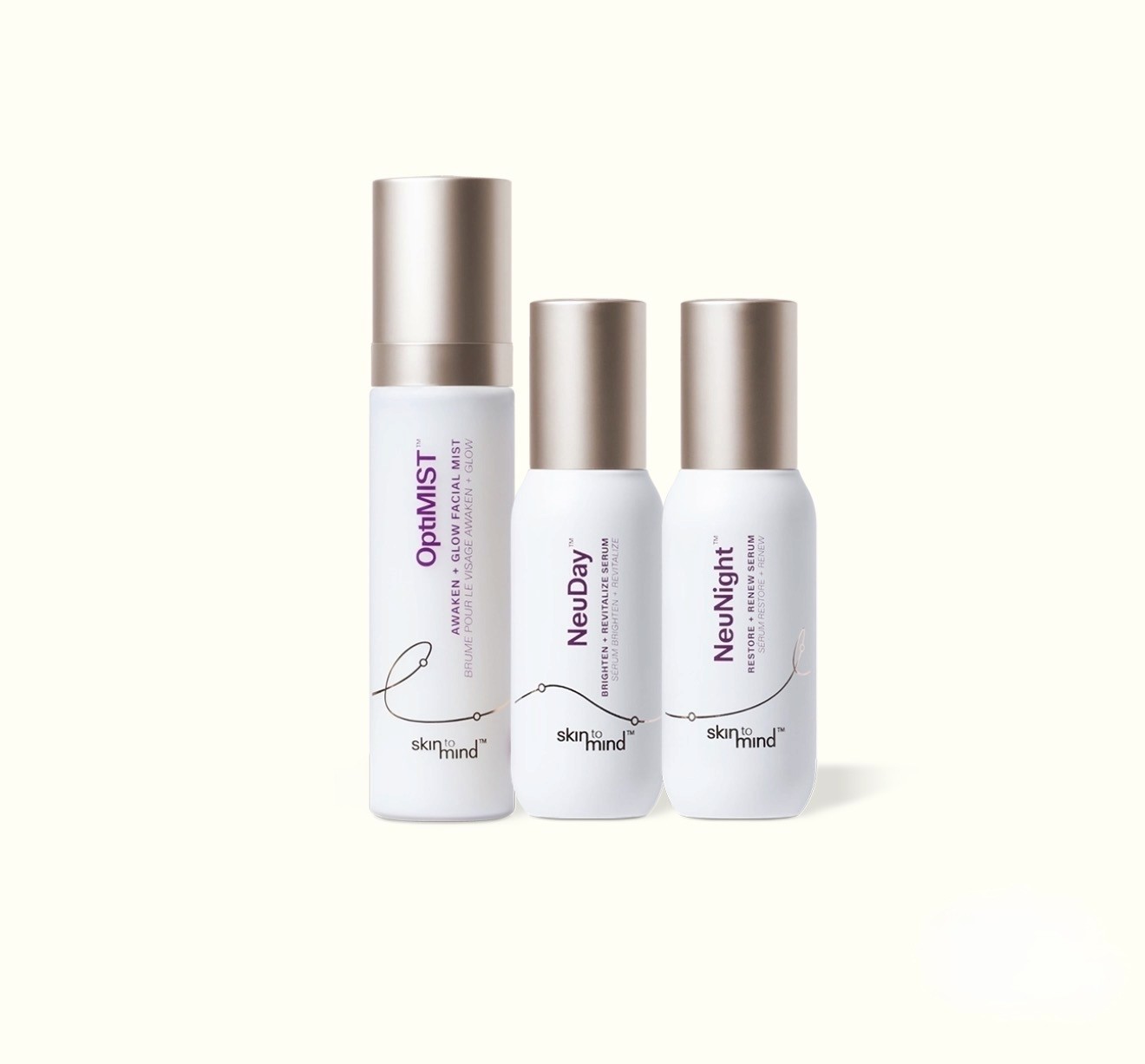
The Skin to Mind™ Collection uses proprietary HuG Cell™ Technology, SeaMist Ferment, and NeuroScent Science to help your skin respond to daily age, environmental, and emotional stressors.
Building a neuroscience-based skincare ritual can help promote a sense of calm and support healthy, radiant-looking skin — morning and night.
Table of Contents
7 Ways Neuroscience-Based Skincare Supports Your Skin and Mood
Skin-Mind Connection Skincare Defined: The skin-mind connection refers to the bidirectional communication between the skin and the nervous system, often called the skin-brain axis. This emerging field of neuroscience-based skincare — known as neurocosmetics — uses ingredients designed to support both skin health and emotional well-being through sensory and neurological pathways.
What Is the Skin-Mind Connection?
The skin-mind connection is the two-way communication network between your skin and your brain. Your skin is far more than a protective barrier — it is the body's largest sensory organ, containing over 500 million nerve endings that constantly exchange signals with your central nervous system [1]. Researchers now call this the "skin-brain axis," and it is quickly becoming one of the most exciting frontiers in modern skincare.
Here is why it matters: your skin cells — called keratinocytes — actually produce and respond to many of the same chemical messengers your brain uses, including serotonin, dopamine, and cortisol [2]. This means your skin doesn't just reflect how you feel. It actively participates in regulating your emotional state.
Important: Consult a doctor if you are currently taking SSRIs or SNRIs, as products influencing serotonin pathways may interact with existing medication.
When you are stressed, your brain sends hormonal signals that can disrupt your skin's barrier function, slow down cell renewal, and increase visible signs of aging. But the reverse is also true — when your skin feels healthy, hydrated, and cared for, those nerve endings send calming signals back to the brain that may support a sense of well-being [3].
FDA Disclaimer This statement has not been evaluated by the Food and Drug Administration. This product is not intended to diagnose, treat, cure, or prevent any disease.
This is the foundation of neurocosmetics: skincare products designed not only to improve how your skin looks, but to work through the skin-mind connection to support how you feel. The global neurocosmetics market was valued at approximately $1.67 billion in 2023 and is expected to reach nearly $2.91 billion by 2030 — a clear sign that science and beauty are converging in powerful new ways [4].
Begin Your Skin-Mind Wellness Ritual Today 💰 $10 off your first order · 90-day money-back guarantee*
The Science Behind Neurocosmetics
Neurocosmetics are skincare products formulated with ingredients that interact with the skin's nervous system to influence both complexion and emotional response [5]. Unlike traditional skincare that focuses primarily on surface-level concerns like hydration or wrinkle reduction, neurocosmetics work deeper — targeting the pathways through which your skin communicates with your brain.
The science rests on a fundamental discovery: your skin contains its own mini nervous system. Nerve endings in the skin detect temperature, pressure, pain, and even emotional stress. When activated, these nerve endings release chemical messengers called neuropeptides that can influence inflammation, cell turnover, and how your skin repairs itself [6].
Several key mechanisms drive neurocosmetic skincare. First, certain botanical ingredients and peptides can support the skin's ability to manage its response to stress hormones like cortisol. When cortisol stays elevated — as it does during periods of ongoing emotional pressure — it can degrade collagen, weaken the skin barrier, and trigger visible signs of aging [7]. Second, sensory ingredients like calming botanical scents engage the olfactory pathway (your sense of smell), which connects directly to the brain's limbic system — the region that governs emotion and memory [8]. This is why the right fragrance in your skincare can promote a sense of calm almost instantly.
Third, fermented and bioavailable ingredients can support the skin's microbiome — the community of beneficial microorganisms living on your skin. Emerging research suggests the skin microbiome may influence emotional well-being through what scientists are calling the gut-skin-brain axis, a complex communication loop connecting the skin, the digestive system, and the nervous system [9].
What makes this especially exciting is the timing. The neurocosmetics market is no longer a niche concept — it is one of the fastest-growing segments in beauty. Industry forecasts project the market will expand at over 8% annually through 2030, driven by consumers who want their skincare to deliver more than surface-level results [4]. Four out of five consumers now say they seek products that enhance their mood, and nearly 76% factor emotional well-being into their beauty purchasing decisions.
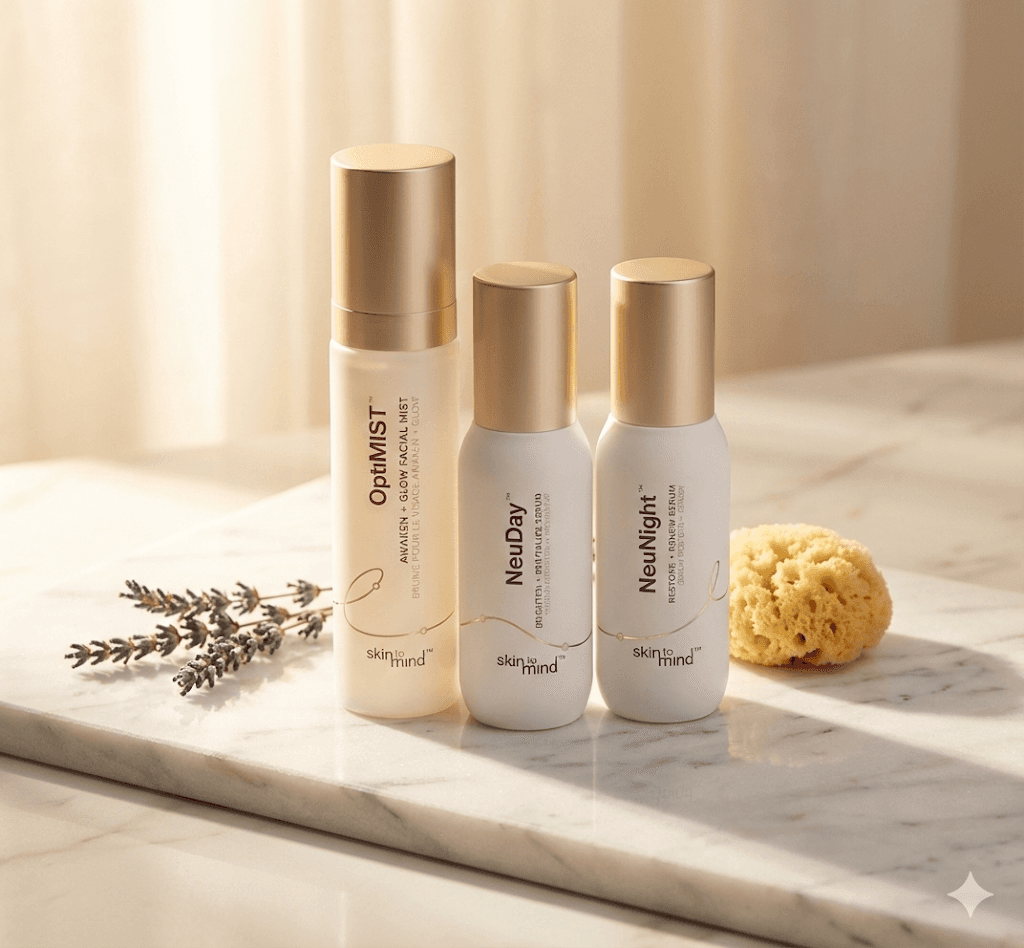
This is the approach behind products like the Skin to Mind™ Collection, which combines multiple neurocosmetic strategies — fermented ingredients, scent science, and skin-barrier-supporting technology — into a single daily ritual. Rather than treating the skin as separate from the mind, this approach treats them as one integrated system.
For a deeper look at how neurocosmetic ingredients work at the cellular level, see our guide on neurocosmetics explained.
How Stress Shows Up on Your Skin
Stress is one of the most powerful yet overlooked factors in skin aging. When you experience emotional or psychological pressure, your body activates the hypothalamic-pituitary-adrenal axis (your body's main stress-response system), which floods the bloodstream with cortisol [10]. In small, short-lived bursts, cortisol is helpful — it is part of your natural alarm system. But when stress becomes ongoing, the effects on your skin are significant.
Research published in 2025 confirmed that elevated cortisol significantly reduces the production of collagen types I and III in human skin cells, while also increasing DNA damage in both keratinocytes and fibroblasts [11]. In practical terms, this means chronic stress doesn't just make you feel run down — it structurally weakens your skin from the inside out.
Here is what ongoing stress can do to your complexion: it can impair the skin's barrier function, which leads to increased dryness and sensitivity. It can slow wound healing and cell turnover, contributing to dullness. It can trigger increased oil production, which may contribute to breakouts. And it can accelerate the breakdown of collagen and elastin, the proteins that keep skin firm and bouncy [12].
The clinical evidence continues to mount. A 2022 review in Brain, Behavior, and Immunity confirmed that stress-induced biological aging — measured through cellular markers — affects virtually every organ system, with the skin being one of the most visibly impacted [12]. The researchers noted that stress doesn't just add years to how you look; it changes how your cells function at the molecular level, making recovery slower and damage more persistent.
This is why a purely topical approach to skincare — one that only addresses surface symptoms — often falls short. If the underlying stress signals aren't addressed, the skin keeps receiving instructions to break down faster than it can rebuild. Neuroscience-based skincare aims to interrupt this cycle by supporting the skin's stress-response pathways from the outside in.
The good news? Because the skin-mind connection runs in both directions, supporting your skin with calming, nourishing ingredients may send positive signals back to the nervous system. A thoughtful skincare ritual — especially one that engages the senses through touch, scent, and texture — can become a daily tool for emotional wellness, not just complexion care.
To learn more about the specific ways stress accelerates visible aging, explore our article on how stress affects your skin and aging.
🛒 Start Your Daily Skin-Mind Ritual
💰 $10 off your first order · 90-day money-back guarantee
7 Ways Neuroscience-Based Skincare Supports Your Skin and Mood
Neuroscience-based skincare supports both your complexion and your emotional well-being by working through the skin-brain axis. Here are seven science-backed ways this approach can make a difference in your daily life.
1. Calming the Skin's Stress Response
Your skin contains its own stress-response machinery, complete with cortisol receptors. Neurocosmetic ingredients — including adaptogens and certain fermented botanicals — can help support the skin's ability to manage its response to stress hormones, promoting a calmer, more balanced complexion [7].
2. Supporting the Skin Barrier
A healthy skin barrier keeps moisture in and irritants out. Chronic stress weakens this barrier, leading to increased sensitivity and dehydration [12]. Neuroscience-based formulas focus on restoring barrier integrity with bioavailable nutrients the skin can readily use, which supports both physical comfort and a sense of well-being.
3. Engaging the Senses Through Scent
The olfactory system connects directly to the brain's emotional center. Skincare products designed with intentional scent profiles — using calming or uplifting botanicals — can help promote feelings of relaxation or positivity during application [8]. This transforms an ordinary routine into a mindful ritual.
4. Promoting a Healthy Microbiome
The skin microbiome plays a role in how your skin looks and may influence emotional wellness through the skin-brain axis [9]. Microbiome-friendly formulas — those that avoid harsh sulfates and synthetic preservatives — help nurture the beneficial organisms that support skin balance and resilience.
5. Nourishing Skin at the Cellular Level
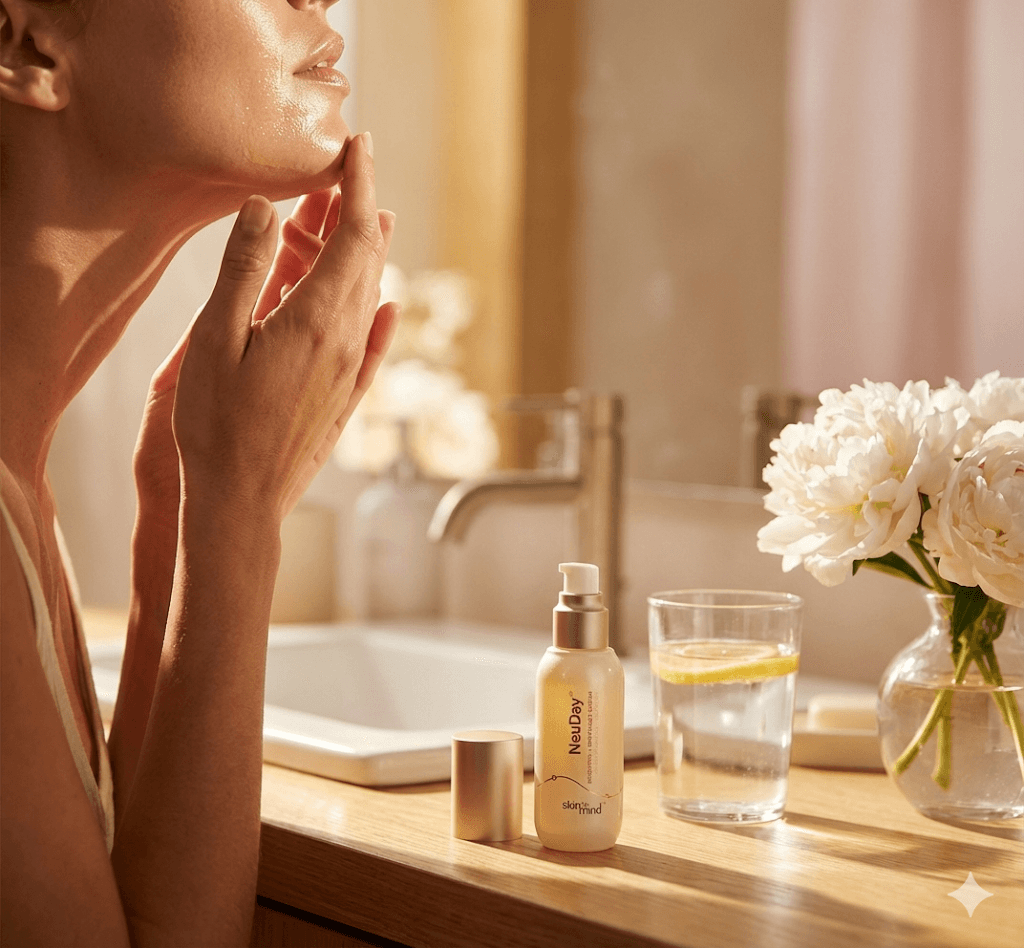
Fermentation — a process used in cultures worldwide for centuries — breaks botanical ingredients into smaller, more bioavailable compounds. This means the nutrients can penetrate more effectively and be used more efficiently by skin cells, supporting repair and renewal at the cellular level [13].
6. Supporting a Nightly Renewal Ritual
Your skin does its most significant repair work while you sleep. Nighttime skincare products formulated with restorative and calming ingredients can support this natural renewal process, helping you wake up to skin that looks and feels refreshed [14]. A consistent evening ritual also signals to your nervous system that it is time to wind down.
7. Creating a Mindful Daily Practice
Perhaps the most powerful benefit of neuroscience-based skincare is the ritual itself. Research in psychodermatology suggests that intentional, sensory-rich self-care practices — including skincare routines — can help reduce feelings of stress and support emotional balance [15]. Slow, deliberate application engages the skin's nerve endings in a positive way, reinforcing the calming skin-mind loop.
For ideas on how to design morning and evening rituals that maximize these benefits, visit our guide on morning vs evening skincare rituals.
🛒 Experience the Three-Step Neuroscience Ritual
✅ 90-day money-back guarantee · $10 off your first order
Inside the Skin to Mind™ Collection: A Three-Step Ritual
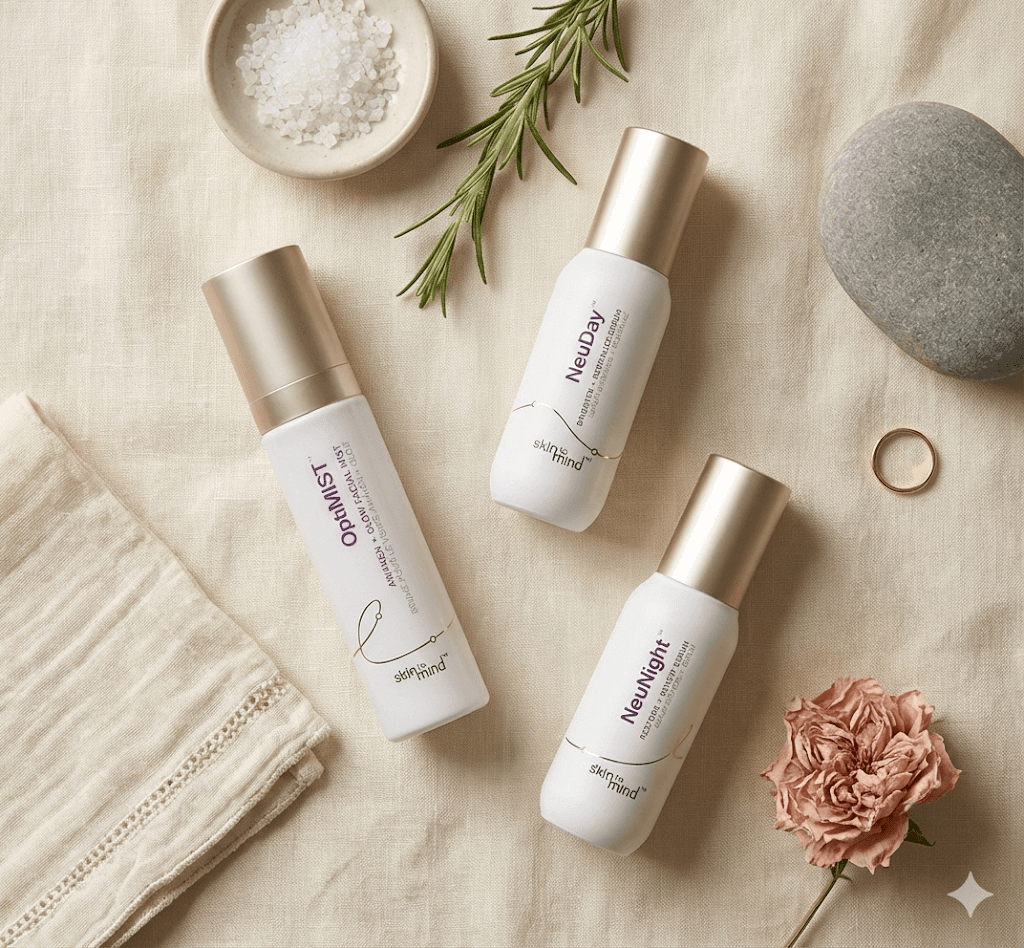
The Skin to Mind™ Collection is a daily skincare ritual built on neuroscience and designed to work through the skin-mind connection. It includes three products, each serving a distinct role in a comprehensive morning-to-night wellness system.
OptiMIST Awaken + Glow Facial Mist is the first step. With eyes closed, apply five to eight sprays to clean face and neck before serum or moisturizer. This mist uses the collection's exclusive SeaMist Ferment and NeuroScent Science to help you transition from "stressed out" to "glowing and blissed out." Use it to set or refresh makeup, or as a mid-day pick-me-up whenever your skin needs a moment of calm.
NeuDay™ Brighten + Revitalize Serum is the morning step designed to help your skin respond to the daily environmental and emotional stressors it encounters. Formulated with proprietary HuG Cell™ Technology, it delivers nourishing, bioavailable ingredients that support healthy-looking, radiant skin throughout the day.
NeuNight™ Renew + Restore Serum is the evening step, supporting the skin's natural nightly renewal process. This serum works while you sleep, helping to restore and replenish so you can wake up looking refreshed and feeling rested.
All three products are formulated without phenoxyethanol, formaldehyde donors, synthetic fragrance, parabens, PEGs, harsh glycols, artificial colors, and sulfates. They are non-comedogenic and microbiome friendly — meaning they are designed to support, not disrupt, the beneficial organisms living on your skin.
To understand more about the fermentation science behind these formulas, see our deep dive on HuG Cell Technology and fermented skincare science.
The collection also features what Amare calls "Superpower Skincare Ingredients" — a curated blend chosen to address age, environmental, and emotional stressors simultaneously. This three-pronged approach reflects the latest thinking in neurocosmetics: that truly effective skincare must address the whole person, not just the surface of the skin.
What sets this collection apart from conventional skincare is the integration of NeuroScent Science — an intentional approach to fragrance that uses scent to activate the olfactory pathway and promote a sense of well-being during application. Rather than adding fragrance for marketing appeal, the scent profiles in these products are designed to work with the nervous system, creating a sensory experience that supports calm, focus, or relaxation depending on the time of day.
The collection is priced at $189.95 for a subscribe-and-save option or $211.95 for a one-time purchase. Given that it replaces a facial mist, a day serum, and a night serum — three products that would typically be purchased separately — many users find it to be a cost-effective entry point into neuroscience-based skincare.
🛒 Begin Your Morning Glow Ritual Today
✅ 90-day money-back guarantee · $10 off your first order
How to Build a Neuroscience-Based Skincare Routine
Building a neuroscience-based skincare routine starts with intention, not complexity. The goal is to create a consistent, sensory-rich daily practice that supports both your skin and your emotional well-being. Here is a simple framework you can follow.
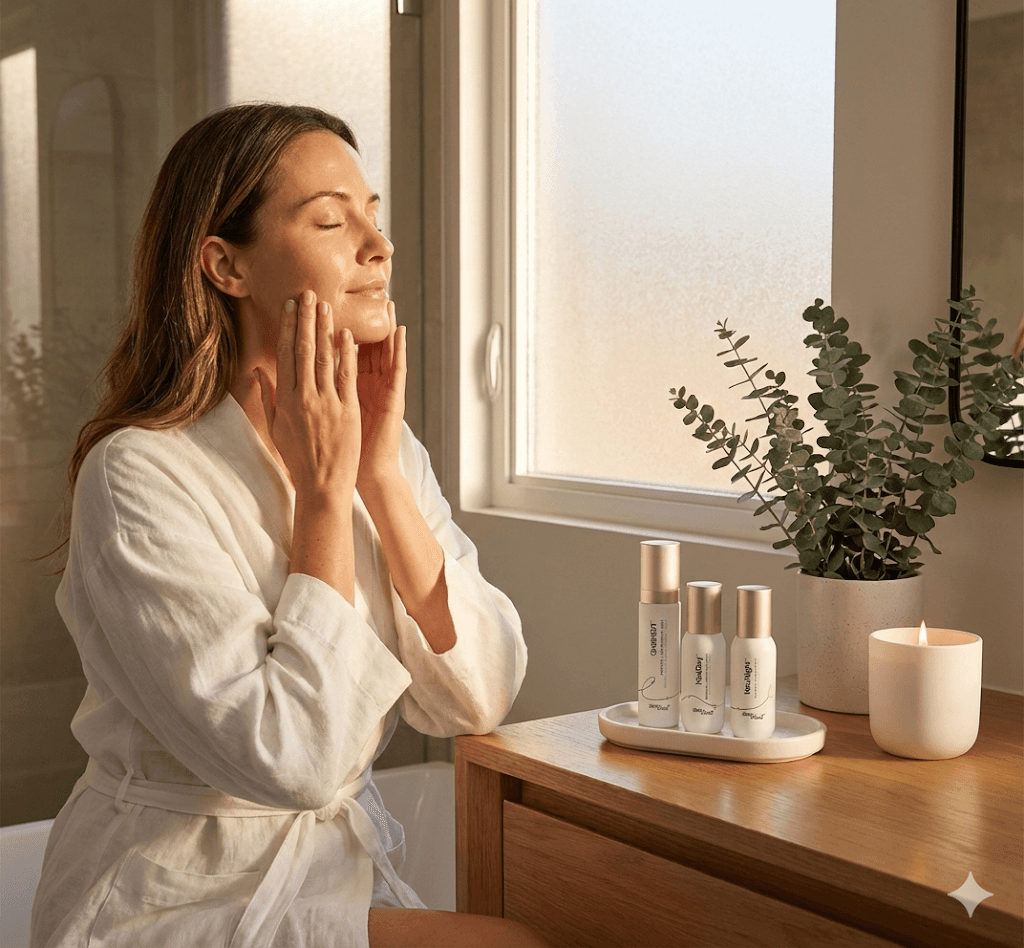
Morning: Awaken and Protect. Begin by cleansing gently — harsh cleansers can overstimulate the skin's nerve endings and trigger tightness or reactivity. After cleansing, mist your face with a product like the OptiMIST facial mist, taking a moment to breathe in the scent and set a calm intention for the day. Follow with a brightening day serum that supports your skin's ability to handle environmental stressors. The key is to move slowly and deliberately — research suggests that intentional, mindful application enhances the calming benefits of neurocosmetic ingredients [15].
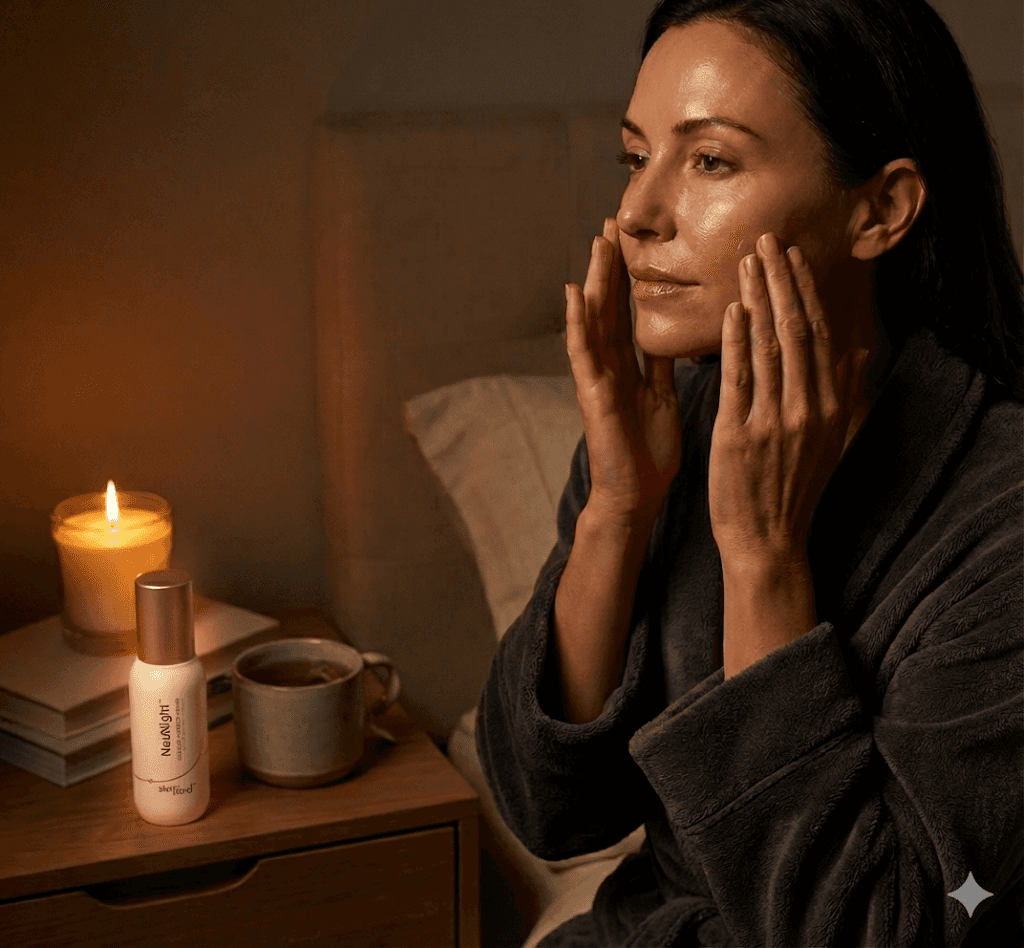
Evening: Restore and Renew. Your nighttime routine is where repair happens. After removing makeup and cleansing, apply a restorative serum like NeuNight™. Gently press the product into your skin using upward strokes — the act of touch itself activates sensory nerve endings that send calming signals to the brain. This ritual can double as a wind-down practice, signaling to your nervous system that it is time to transition toward rest.
Consistency Matters More Than Intensity. The nervous system responds best to predictable, rhythmic habits [15]. You don't need a ten-step routine. You need a two-to-three step ritual that you actually look forward to and maintain consistently. Over time, this consistency helps train your skin to respond more calmly and look more balanced.
Choose Clean, Microbiome-Friendly Formulas. Look for products free from sulfates, parabens, synthetic fragrances, and harsh preservatives. These ingredients can disrupt the skin microbiome and irritate nerve endings, undermining the very skin-mind connection you are trying to support.
For those who want to combine inner and outer wellness, some people pair their skincare ritual with gut-health-supporting products for a comprehensive approach to the gut-skin-brain axis. Learn more about this inside-out strategy in our article on skincare for emotional well-being.
What Real People Are Saying
Here's what real customers have shared about their experience with the Skin to Mind™ Collection. These testimonials are copied verbatim and have not been edited for grammar or spelling.
CL (Verified Customer) — Chardon, US "I am CRAZY in LOVE with Skin 2 Mind! As a chiropractor/functional medicine practioner to have a clean, effective skin care system based on NEUROSCIENCE is a DREAM!!! Incredible support for stress and your nervous system/brain. The BONUS is your skin looks FABULOUS!!! :) Dr Cherie"
JS (Verified Customer) — Greenville, US "I have noticed, as well as others , my skin looks shiny, glowing and moisturized. Before using my skin looked dry and dehydrated. I can honestly say this collection has been amazing for me."
H "I'm almost 40 and I've never had skincare that works like this. The texture of my skin is buttery smooth, my skin is firmer/bouncier and the glow I have!! I even had medical spa practitioners (the people who see skin all day long) actually ask me what I was using!! That has never happened to me before. Best skin of my life!!"
CW (Verified Customer) "Love everything about this collection - texture, fragrance and results. No more heavy creams with empty promises. This is a must have!"
SH "Noticed a remarkable difference the first time I used it. After one month, Its the best skin care I have ever used."
Clinical FAQ
Q: What is the skin-brain axis, and why does it matter for skincare? A: The skin-brain axis is the bidirectional communication network between the skin and the central nervous system. It matters for skincare because ingredients that support this connection can promote both a healthier-looking complexion and a greater sense of emotional well-being. This is the foundation of the emerging neurocosmetics field.
Q: How does stress affect the skin? A: When you experience ongoing stress, your body releases cortisol, which can weaken the skin barrier, slow cell turnover, reduce collagen production, and increase sensitivity. These changes can lead to dullness, dryness, breakouts, and accelerated visible aging.
Q: What are neurocosmetics? A: Neurocosmetics are skincare products formulated with ingredients designed to interact with the skin's nervous system. They aim to support both skin health and emotional well-being by targeting pathways like sensory nerve responses, stress-hormone regulation, and the olfactory connection to mood.
Q: What is HuG Cell™ Technology? A: HuG Cell™ Technology is a proprietary ingredient technology used in the Skin to Mind™ Collection. It is designed to help deliver bioavailable nutrients to the skin to support its ability to respond to daily age, environmental, and emotional stressors.*
Q: Is the Skin to Mind™ Collection safe for sensitive skin? A: The Skin to Mind™ Collection is formulated without parabens, sulfates, synthetic fragrances, PEGs, harsh glycols, phenoxyethanol, formaldehyde donors, and artificial colors. It is non-comedogenic and microbiome friendly. As with any skincare product, if you have specific skin sensitivities, consult your dermatologist before use.
Q: Can a skincare routine really support emotional wellness? A: Research in psychodermatology suggests that intentional, sensory-rich self-care practices — including skincare rituals — can help promote feelings of calm and reduce perceived stress. The skin's nerve endings respond to touch, scent, and texture, sending signals to the brain that may support emotional balance.
Q: What does "microbiome friendly" mean? A: Microbiome friendly means the product is formulated to support — not disrupt — the beneficial microorganisms that naturally live on your skin. A healthy skin microbiome supports barrier function, moisture retention, and overall skin resilience.
Q: How do fermented skincare ingredients work? A: Fermentation breaks botanical ingredients into smaller, more bioavailable compounds that the skin can absorb and use more efficiently. This process, used in the Skin to Mind™ Collection through its exclusive SeaMist Ferment, can enhance the delivery of nutrients to support skin repair and renewal.*
🛒 Discover the Skin to Mind™ Collection
💰 $10 off your first order · ✅ 90-day money-back guarantee · risk-free
Sources & References
[1] Weiglein A, Gaffal E, Albrecht A. Probing the Skin–Brain Axis: New Vistas Using Mouse Models. Int J Mol Sci. 2022;23(13):7484. doi: 10.3390/ijms23137484
[2] Chen YY, Liu LP, Zhou H, Zheng YW, Li YM. Recognition of melanocytes in immuno-neuroendocrinology and circadian rhythms: beyond the conventional melanin synthesis. Cells. 2022;11(13):2082. doi: 10.3390/cells11132082
[3] Graubard R, Perez-Sanchez A, Katta R. Stress and skin: an overview of mind body therapies as a treatment strategy in dermatology. Dermatol Pract Concept. 2021;11(4):e2021091. doi: 10.5826/dpc.1104a91
[4] Haykal D, Berardesca E, Kabashima K, Dréno B. Beyond beauty: neurocosmetics, the skin-brain axis, and the future of emotionally intelligent skincare. Clin Dermatol. 2025;43(4):523-527. doi: 10.1016/j.clindermatol.2025.05.002
[5] Ferrillo M, Lazzeri L, Piraccini BM, Yaldiz M, Starace M. Neurocosmetics in skincare—the fascinating world of skin–brain connection: a review to explore ingredients, commercial products for skin aging, and cosmetic regulation. Cosmetics. 2021;8(3):66. doi: 10.3390/cosmetics8030066
[6] Marek-Jozefowicz L, Nedoszytko B, Grochocka M, et al. Molecular mechanisms of neurogenic inflammation of the skin. Int J Mol Sci. 2023;24(5):5001. doi: 10.3390/ijms24055001
[7] Chae M, Bae IH, Lim SH, Jung K, Roh J, Kim W. AP collagen peptides prevent cortisol-induced decrease of collagen type I in human dermal fibroblasts. Int J Mol Sci. 2021;22(9):4788. doi: 10.3390/ijms22094788
[8] Diwoux A, Gabriel D, Bardel MH, Ben Khalifa Y, Billot PÉ. Neurophysiological approaches to exploring emotional responses to cosmetics: a systematic review of the literature. Front Psychol. 2024;15:1337027. doi: 10.3389/fpsyg.2024.1337027
[9] Borrego-Ruiz A, Borrego JJ. Microbial dysbiosis in the skin microbiome and its psychological consequences. Microorganisms. 2024;12(9):1908. doi: 10.3390/microorganisms12091908
[10] Passeron T, Zouboulis CC, Tan J, et al. Adult skin acute stress responses to short-term environmental and internal aggression from exposome factors. J Eur Acad Dermatol Venereol. 2021;35(10):1963-1975. doi: 10.1111/jdv.17432
[11] Pujos C, et al. Impact of chronic moderate psychological stress on skin aging: exploratory clinical study and cellular functioning. J Cosmet Dermatol. 2025;24(1):e16634. doi: 10.1111/jocd.16634
[12] Polsky LR, Rentscher KE, Carroll JE. Stress-induced biological aging: a review and guide for research priorities. Brain Behav Immun. 2022;104:97-109. doi: 10.1016/j.bbi.2022.05.016
[13] De Tollenaere M, Meunier M, Scandolera A, et al. Well-aging: a new strategy for skin homeostasis under multi-stressed conditions. J Cosmet Dermatol. 2020;19(2):444-455. doi: 10.1111/jocd.13027
[14] Evers AWM, van Beugen S. How stress affects the skin: from designs to mechanisms. Br J Dermatol. 2021;185(1):12-13. doi: 10.1111/bjd.20397
[15] Roso A, Aubert A, Cambos S, et al. Contribution of cosmetic ingredients and skin care textures to emotions. Int J Cosmet Sci. 2024;46(2):262-283. doi: 10.1111/ics.12929
**FDA Disclaimer These statements have not been evaluated by the Food and Drug Administration. This product is not intended to diagnose, treat, cure, or prevent any disease.**